
Voices from the Field: How Grantees Are Defining Scale in Their Own Contexts

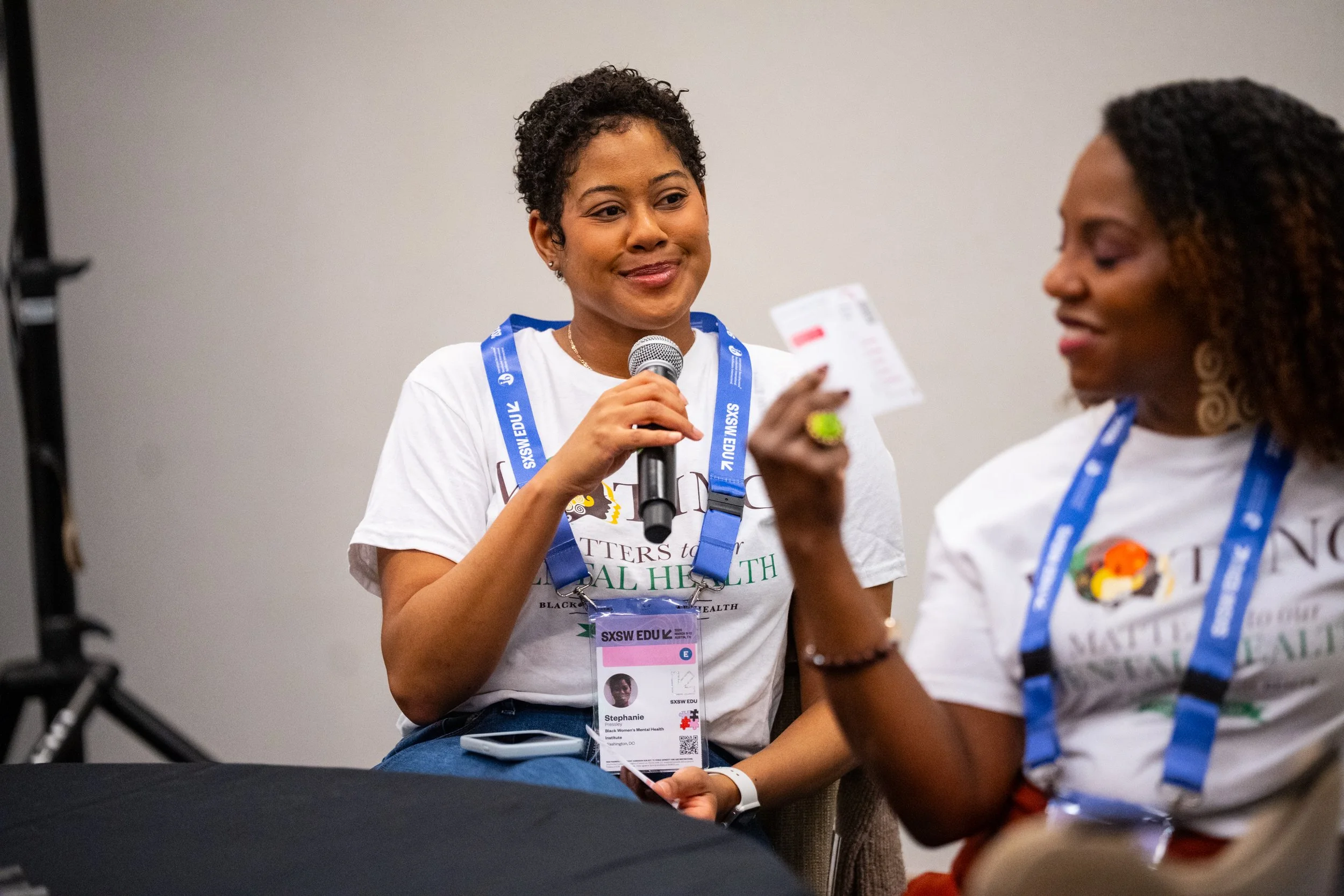
In May, we shared how Catalyze designs our Learning Labs to move beyond traditional networking and create space for meaningful peer learning. There, we highlighted insights from our panel discussion featuring leaders from CareerWise and Propel America, who offered reflections on what it takes to scale impact thoughtfully and sustainably. But panel discussions are only one part of the Learning Lab experience.
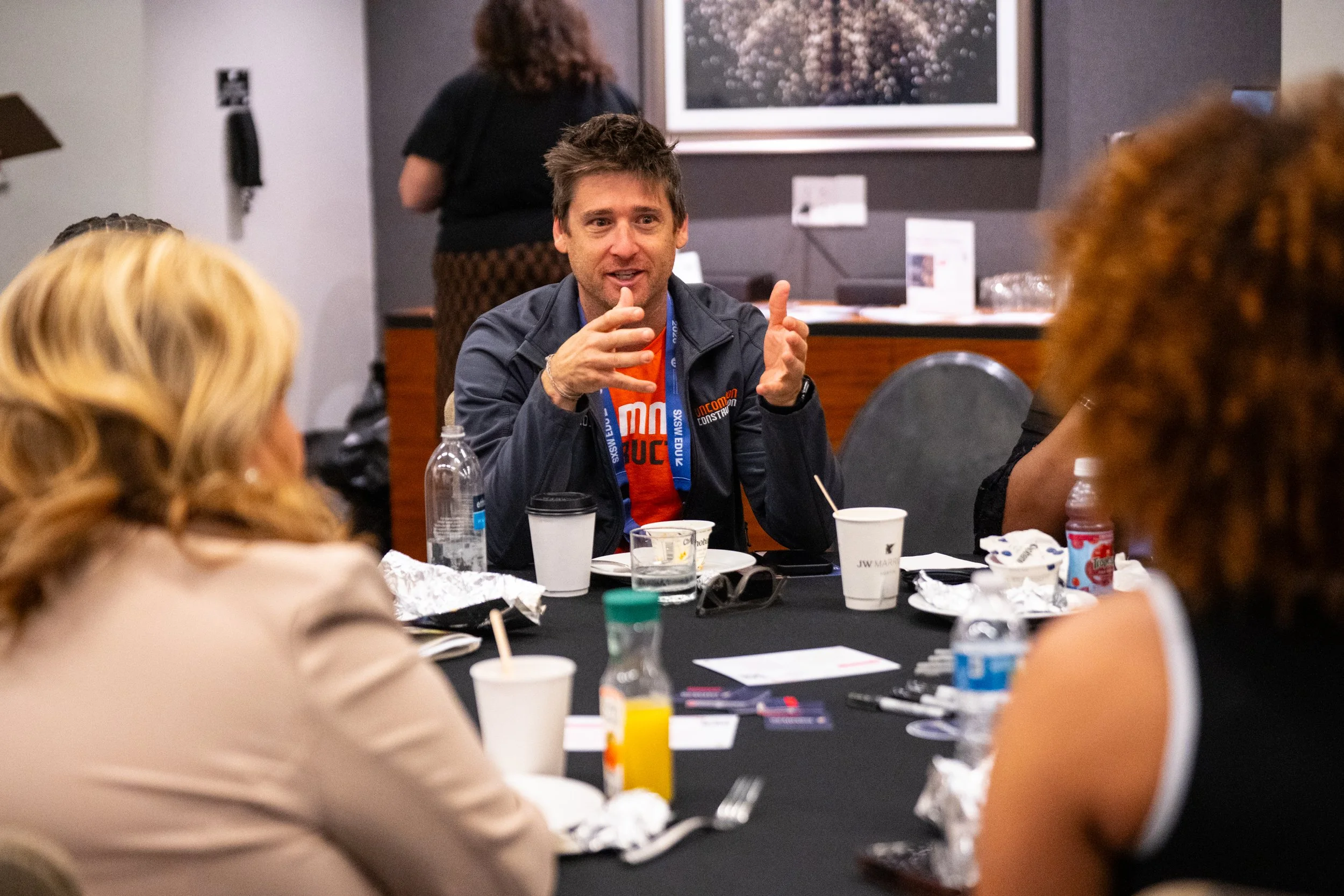
One of the most valued aspects of our Catalyze Community of Practice is the time grantees spend connecting directly with one another in structured small group discussions. These more intimate conversations create space to move from big ideas to the more precise, often messy realities of the work. They allow participants to ask questions, test assumptions, share lessons learned, and reflect with peers who understand the complexities of building and scaling career-connected learning pathways.
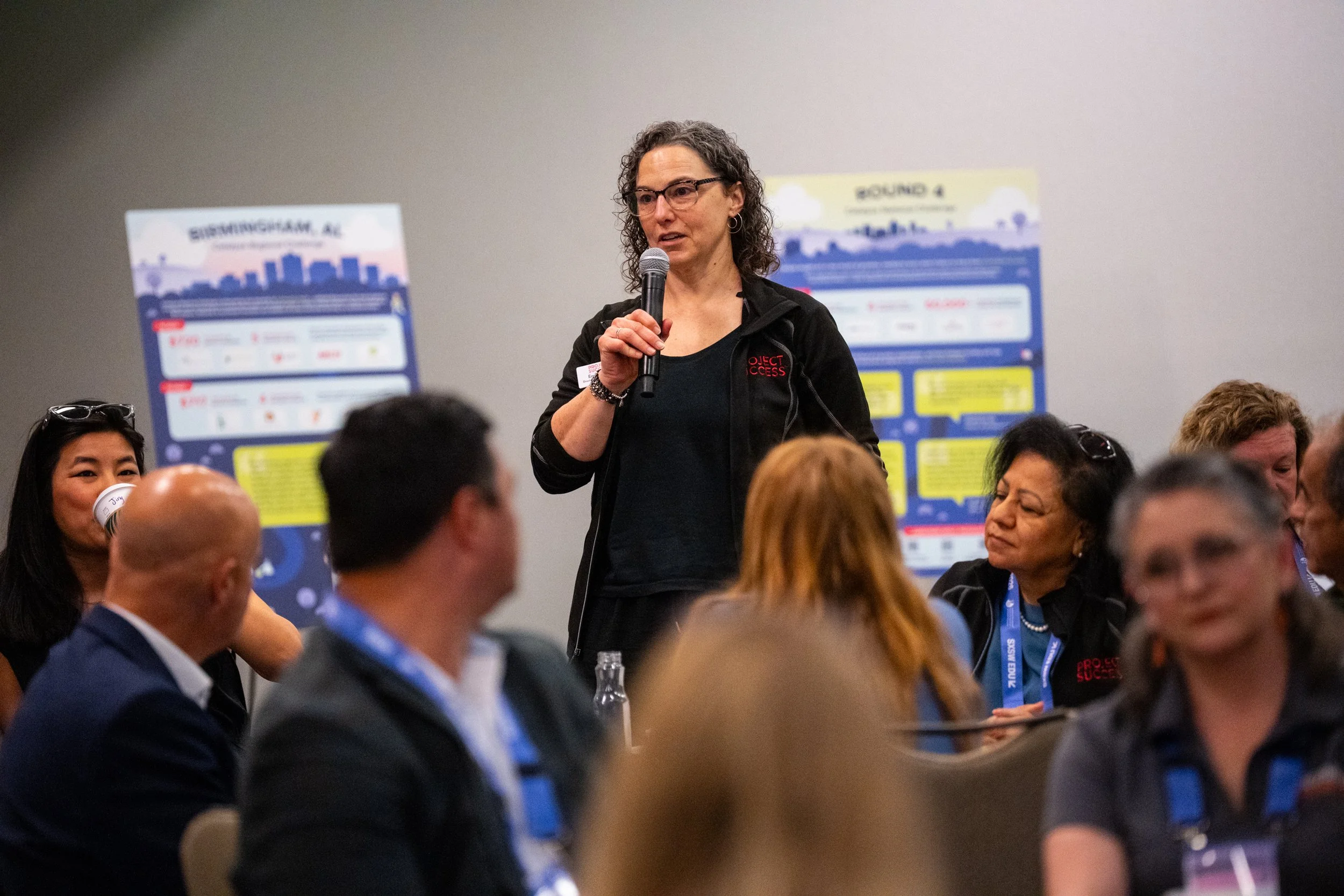
Following the panel, participants broke into small groups to explore their own experiences with scaling. While each organization brought its own context and challenges to the conversation, several common themes emerged around sustainability, systems change, partnership development, and organizational growth:
Scaling Systems Requires Patience
Catalyze grantees reflected on the realities of systems-change focused work and the long-term vision and timelines it often demands. Building durable pathways for learners requires more than launching a program or reaching a new community. It requires new relationship-building, operational investments, and ongoing sustained partnership maintenance that needs to continue long after initial funding periods end.
For many, scaling was described as an exercise in patience. Some of the most important work happens behind the scenes as organizations build trust, align stakeholders, and create the conditions necessary for long-term impact.
Growth Must Be Responsive to Community Context
Participants also discussed the challenges and opportunities of expanding across communities. Conversations emphasized the importance of understanding local market readiness, employer demand, and community context before pursuing growth.
Rather than viewing scaling as replication, participants described it as adaptation. Effective scaling rarely comes from an out-of-the-box approach. Instead, organizations must remain responsive to local conditions and willing to tailor their strategies to meet the needs of the communities they serve.
Capacity and Sustainability Go Hand in Hand
Organizations also spoke candidly about navigating an evolving funding and policy landscape. Participants reflected on funding uncertainty, sustainability challenges, and the need to continually adapt their positioning in response to changing conditions.
At the same time, conversations highlighted the importance of growing operational capacity alongside impact. Participants discussed strengthening internal infrastructure, planning for contingencies, and thoughtfully pacing growth to ensure expansion does not outpace an organization's ability to sustain quality and relationships.
Learning Together Is Part of the Infrastructure
What emerged from these conversations was not simply a list of challenges, but a clearer picture of what it truly takes to build durable pathways for learners and workers. Sustainable scaling requires patient investment, operational readiness, and a commitment to collaborative learning across organizations and sectors.
Perhaps most importantly, the discussions reinforced that organizations across the career-connected learning ecosystem are not navigating these questions alone. Even as grantees operate across different regions, sectors, and stages of growth, many are wrestling with shared questions around sustainability, scaling, employer engagement, and long-term impact.
Moving forward
For funders, employers, and ecosystem partners, these reflections underscore the importance of investing not only in programs themselves, but also in the shared learning infrastructure that helps effective practices spread across communities and expands opportunity, economic mobility, and long-term impact for learners and practitioners alike.
In a recent survey of Community of Practice participants, grantees overwhelmingly described the CoP as a place for connection and shared learning. Nearly all respondents (96%) said the CoP has expanded their professional network and that members openly share information and resources with one another. Additionally, 83% said the CoP helps their organizations stay informed about emerging practices in the field. (Speaking of data, be sure to check out our recently released Impact Dashboard!)
These findings affirm what many participants experience firsthand: meaningful progress often begins when practitioners have trusted spaces to learn, reflect, and problem-solve together. Communities of Practice are more than just meetings: they are mechanisms for strengthening relationships, accelerating learning, and helping ideas move across the career-connected learning ecosystem.
As Catalyze continues to cultivate a network of current and former grantees, we remain committed to creating opportunities for peer organizations to connect, exchange lessons learned, and collectively advance the field.